Installing composite decking will make your home more beautiful than ever. After you have finished installing your decking, you need to hide the edges of the decking board to make the composite decking look more beautiful. There are several ways to add or finish the edges of your decking. In this write-up, we will consider how you can finish the edges of composite decking.
Ways to Finish the Edges of Composite Decking
There are many ways to finish the edges of composite decking. You can use the picture framing method, vinyl stair nosing, plastic end caps, and composite corner trims.
Picture Framing
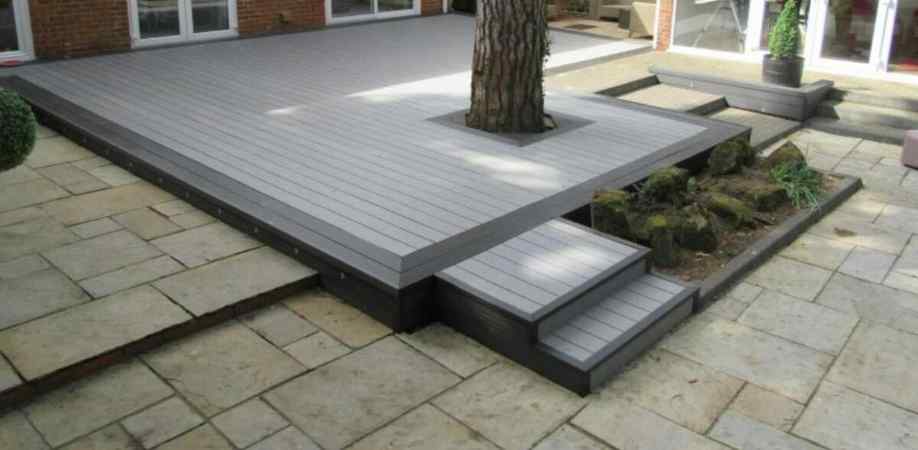
Picture framing is a method you can use to hide the edges of your decking. The picture framing method can be compared to how you frame your photos. When using the picture framing method, you have to put a frame around the composite decking edges. Picture framing your composite decking will give the decking a clean and attractive look.
Fascia Board
You can also use fascia boards to finish the edges of composite decking. Fascia boards are easy to apply. You need first to trim the composite decking, then attach the fascia board to it.
Paint the Edges
If you don’t want to frame the edge of your decking, you can apply paint to the edges. Painting the ends and decking is something you can do on your own. Trim the composite decking before you begin to apply the paint on it. Get your desired paint colour and use a paintbrush to apply the paint to the edges. The paint will blend the edge with the composite decking. One way to make the paint blend perfectly well with your composite decking is by choosing a paint colour similar to the colour of your composite decking.
Veneer Cap
Using veneer to finish the edges and ends of your composite decking will ensure consistency. Apply a thin veneer to the decking ends and edges. The veneer ensures consistency in colour and texture of both the decking edge and ends.

Vinyl Stair Nosing
Applying vinyl stair nosing is also a good way to finish the ends of your composite decking. Vinyl stair nosing also helps improve the aesthetics of the composite decking. Since vinyl nosing is not made with the same material as composite decking, it will create a colour contrast, highlighting the decking edge. The colour contrast created also improves safety as it helps minimise accidental falling off the decking.
A good thing about the vinyl stair nosing is that it is very easy to install. Get your vinyl nosing and roll it out. Then trim the vinyl stair nosing to size and use a pan screw to attach it to the composite decking. You can also use glue to fasten the vinyl nosing to your composite decking. Attach the nosing to the top of the decking, and it will hang over the edge covering the cut ends of the deck.
Composite Corner Trim
The composite corner trim is similar to the vinyl stair nosing; they both look and texture. But the composite corners trim is made of composite, the same material as the composite decking.
A good thing about the composite corner trim is that it is easy to apply and requires the same maintenance as your composite decking. Trim the composite corners to size and attach them to cover your decking edges. The composite corners will make your composite decking look more beautiful.
Plastic Ends Caps
The plastic end caps are not suitable for all kinds of decking. It is only suitable for composite decking boards with hollow cylinders. The plastic end caps cover the holes on the ends of the composite decking. They also come in colours similar to that of composite decking. Using plastic end caps doesn’t require additional framing. And it’s also easy to install.
Attaching the plastic end caps to the decking holes is easy since the end caps come with small plugs. To cover the decking hole, insert the plugs into the holes to hold the cap in place. The plastic end caps will give your composite decking a clean and beautiful look.
Conclusion
Homeowners can finish the edges of their composite decking by applying vinyl stair nosing, plastic end caps, fascia board, and composite corner. You can also paint the edges or use the picture framing method to hide the edges.